
Meeting Life’s Chaos with Mindfulness, Wisdom and Equanimity
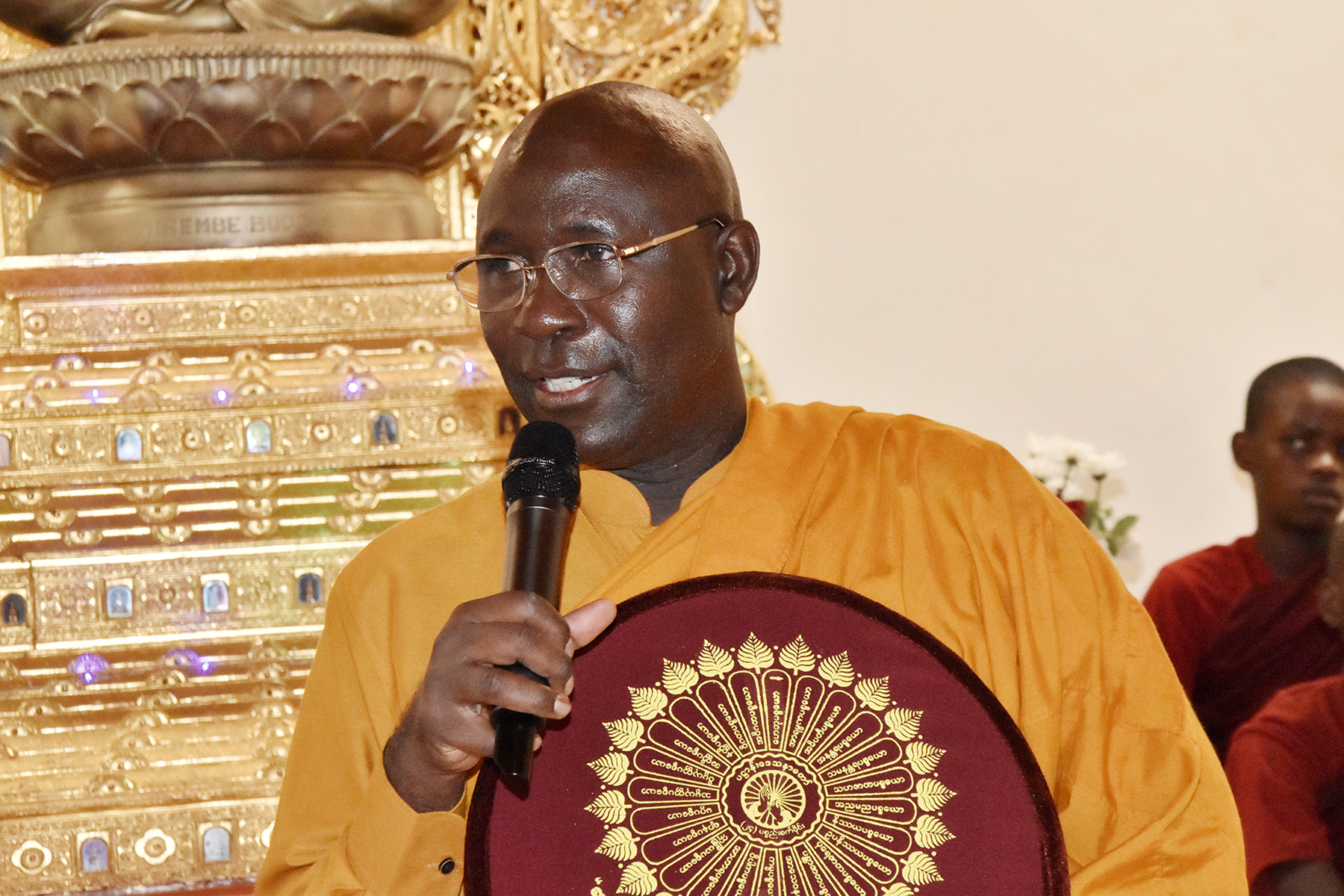
A reflection from Ven. Bhante Buddharakkhita
During a recent Dharma talk, Ven. Bhante Buddharakkhita explored a theme that resonates with all of us: how to meet the chaos in our lives with mindfulness, wisdom and equanimity. Drawing from his own experiences, Bhante reminded us that chaos is not a personal failure. It is part of the human package.
While we all experience moments of peace, they often come and go like brief flashes of sunlight. The rest of life is a mixture of responsibilities, unexpected challenges and situations we cannot control. Even life in a monastery is not free from this. With more than 75 residents at the Uganda Buddhist Centre, plus students, teachers, workers and visitors, Bhante joked that chaos multiplies with every additional person.
The Unexpected Journey
Bhante shared stories from his recent travels with visitors from Singapore who wanted to explore Ugandan culture. What was planned as a 12-hour trip turned into a 17-hour marathon of breakdowns, punctures, rain, mud and potholes. Their vehicle got stuck deep in the national park at night, and exhaustion set in long before they finally reached shelter.
Shortly after, a similar experience unfolded in India. Heavy snow, blocked mountain passes and landslides left the group stranded again for days. Flights were cancelled, plans collapsed and control slipped further away. These events revealed a simple truth: when we cling to control, chaos feels overwhelming. When we let go, life becomes a little lighter.
Seeing Chaos Differently
Bhante spoke about the Chinese way of understanding chaos as two characters joined together: challenge and opportunity. Chaos tests us, but it also provides a chance to grow, learn and develop new strengths.
One of the most powerful lessons is to shift from being ego-centred to eco-centred. When we stay in the centre of every situation, everything feels personal. When we step back and see ourselves as part of a much larger picture, life softens. Weather changes, flights get delayed, cars break down, and these things are not happening to us alone. They are simply happening.
Mindfulness as a Lifeline
Bhante encouraged grounding ourselves in the present moment through mindful breathing and body awareness. When we tune into the breath, the feet touching the floor, or the simple sensations in the body, the mind settles. Mindfulness brings us back home to what is real and manageable.
He also highlighted the importance of observing our experiences without clinging or pushing them away. Pain, discomfort and uncertainty change moment by moment. When we see this clearly, we stop expecting chaos to last forever.
Wisdom and Letting Go
Wisdom comes from seeing the nature of life: everything is changing, everything is imperfect and nothing truly belongs to us. Instead of resisting challenges, Bhante invited us to ask: What is this teaching me? What opportunity is here? Sometimes the lesson is patience, sometimes compassion, and sometimes the courage to let go.
He illustrated this with an ancient story of a king who wanted his entire kingdom covered with cowhide so he could walk comfortably over thorny ground. His subjects suggested a simpler solution: make one good pair of shoes. Bhante explained that our “pair of shoes” is made of mindfulness, wisdom and equanimity. Instead of trying to fix the whole world, we strengthen the qualities that help us walk through it.
The Equation of Equanimity
Bhante offered his own playful formula inspired by physics:
E = M²C
Where:
-
E is equanimity
-
M² is loving-kindness (metta) and appreciative joy (mudita)
-
C is compassion
When these three qualities are strong, equanimity comes naturally.
A Prayer for Serenity
Bhante closed his teaching with a reflective version of the serenity prayer, replacing “God” with “the gift of Dharma”:
Grant me the serenity to accept the things I cannot change,
the courage to change the things I can,
and the wisdom to know the difference.
This wisdom reminds us that chaos is not an enemy, but a teacher. When we meet it with mindfulness, compassion and balance, it becomes part of our path to freedom.
Listen to the audio below